
cropper
update
Carmel Pebble Beach Custom Homes
update
  • Home
  • Categories
    • Remodeling Masterclass
    • Architectural Excellence
    • Lifestyle Features
    • Interior Inspirations
    • Market Insights
    • Charming ADUs or Independent Living Units
August 12.2025
3 Minutes Read

Revitalizing a 1960s Apartment: The Charm of Parkville Apartment Design

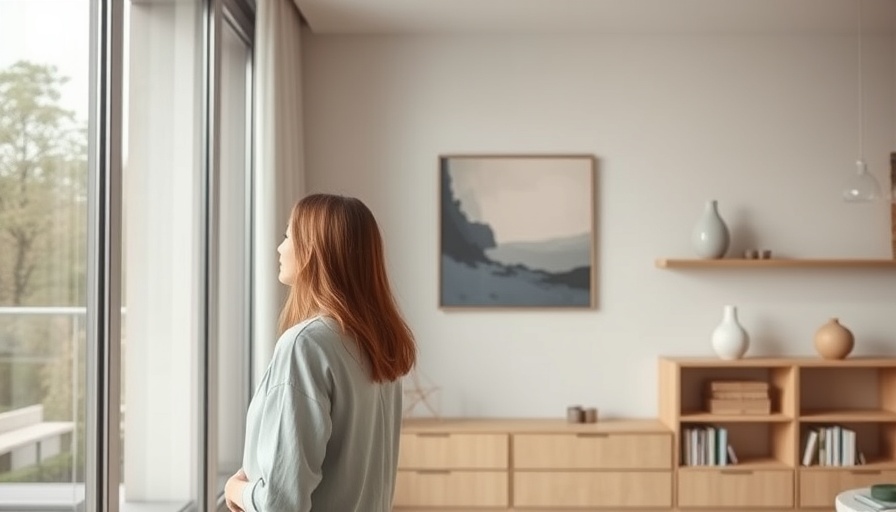
Contemporary Parkville apartment design with serene aesthetics.

A Timeless Transformation for a 1960s Apartment

In the ever-evolving realm of architecture, some projects stand out not just for their aesthetic appeal but for the heartwarming stories they tell through design. The Parkville Apartment, reimagined by Healy Ryan Architects, exemplifies this philosophy, seamlessly blending mid-century charms with contemporary functionality. Initially, the renovation was set to be a simple update, focusing primarily on the kitchen. However, architect Tom Healy saw potential that extended far beyond the functional needs of his clients.

Unveiling Hidden Gems

The charm of the original features was remarkable; from the lovely popcorn ceilings to the vibrant vintage tiles, the character of this 1960s space was simply enchanting. Healy recognized that these elements could be complemented with a dash of color and clever design, creating spaces that feel both warm and inviting. "In this project, it was about respecting the past while embracing the modern," explains Healy.

Connecting Spaces for a Sociable Environment

One of the pivotal changes made was the removal of the wall dividing the kitchen from the small sitting area, allowing for a more expansive and social environment. This decision not only brightened the space but emphasized the importance of community—an essential aspect of any home. The kitchen-dining corner became a bustling hub, encouraging family gatherings and entertaining. Tom's innovative use of open shelves and a stylish island/bar serves as a focal point that melds form and function beautifully.

Balancing Openness and Intimacy

Finding a balance between openness and separation proved to be a thoughtful challenge for the designer. While the clients had concerns about adopting an entirely open-plan layout, this renovation strikes a balance between shared and private spaces. A cozy living room was preserved for moments of quietude, while the kitchen area invited friends and family to gather and share. In essence, the layout fosters community while allowing for personal retreat.

A Thoughtful Approach to Sustainability

Another commendable aspect of this project is its commitment to sustainability. The reuse of existing materials was prioritized, showcasing a blend of old and new. Original orange tiles were re-laid in the kitchen, harmonizing with new cabinetry finished in dynamic hues of red and orange that add vibrancy and life to the home. With local artisans like Woodcraft Mobiliar providing custom joinery, the project retained its local character and minimized waste.

Spreading Joy Through Color

The color palette plays a vital role in the apartment's renewed identity. Bright orange accents and cream cabinetry not only celebrate the original aspects of the apartment but create an environment that uplifts its inhabitants. The strategic use of color fosters a welcoming atmosphere that feels both contemporary and rooted in its period of origin. As Healy puts it, “Color is not merely an aesthetic choice but an emotional one that can transform our experiences in a space.”

Final Thoughts and Inspiration

Renovations such as the Parkville Apartment remind us of the beauty of blending history with modern living. They offer a canvas for creativity, where stories of the past interact harmoniously with the aspirations of the present. As homeowners and buyers contemplate their own renovation dreams, the Parkville Apartment serves as a source of inspiration, prompting the question: How can we honor our homes’ histories while making room for our present lives?

If you're inspired by this transformation and are considering your own architectural journey, whether building or remodeling, we invite you to connect with us for guidance, design, and execution. Let Us Design, Plan & Build Your Next Home or Remodel. Call 831-521-7729.

Architectural Excellence

13 Views

Write A Comment

*
*
Please complete the captcha to submit your comment.
Related Posts All Posts
05.21.2026

Permanent Camping 3: Innovative Architecture in Harmony with Nature

Update Designing for Harmony: Permanent Camping 3 and the Australian Landscape Casey Brown Architecture's Permanent Camping 3 (PC3) takes the art of minimalist shelter to new heights with its latest project located on a sprawling cattle property outside Orange, NSW. This unique structure stands out against the Australian landscape not just for its design but for the philosophy behind its creation, merging functionality and aesthetic beauty in a way that resonates deeply with the local environment. A Departure from Tradition Unlike its predecessors, the earlier iterations in the Permanent Camping series—the imposing towers of PC1 and PC2—PC3 embraces an A-frame tent-like design that integrates seamlessly into the undulating grasslands. This design transition reflects a matured understanding of the immediate environment and its subtle nuances, catering to a transitional harmony between the built and natural worlds. Materiality That Speaks The structure's Corten steel exterior resonates with the ruggedness of its surroundings, while the interior offers a comforting contrast with refined timber finishes. The carefully chosen materials create an evocative dialogue between the inside and out, much like the aging shells found along Australia’s beaches—weathered yet beautiful inside. As co-founder Rob Brown points out, this contrast is not merely aesthetic but intentionally crafted to enhance the experience of living within this unique space. Sustainable Living, Redefined Designed for sufficiency, PC3 prioritizes function over luxury, featuring essentials such as a potbelly stove, a cozy bed oriented to capture breathtaking views, and a small kitchen area. Every detail has been thoughtfully assembled to echo the adage: "everything you need, nothing you don’t." This philosophy of design challenges the often wasteful nature of modern building practices, promoting a lifestyle of appreciation and presence, harmonizing individual needs with environmental mindfulness. Engaging with Community and Nature The PC series builds upon two decades of commitment to creating structures that not only serve their occupants but also respect their surroundings. By choosing to develop on the lands of the Wiradjuri people, there is an underlying respect and acknowledgment of the heritage and history that the land entails. This engagement fosters a connection not only between the architecture and the landscape but between its residents and the deeply-rooted culture of the Aboriginal people. Future Trends in Architecture: A Broader Dialogue PC3 exemplifies a growing trend in architectural thought where the emphasis on sustainability and locality is paramount. As seen in projects discussed in contemporary architecture discourse—such as the Nightingale Housing model in Melbourne—there is a shift towards integrating sustainable practices beyond mere design aesthetics into the foundational approach to building. Innovation in housing is increasingly centered around affordable and socially responsive solutions complemented by sustainable practices. Conclusion: Redefining Spaces Permanent Camping 3 challenges conventional notions of what a dwelling should be, advocating for a lifestyle deeply embedded within the natural Australian landscape. With architecture like PC3 leading the way, future projects will likely continue to redefine not only the physical spaces we inhabit but the broader implications of how we live within these environments. If you're inspired by this approach to architectural design, let us design, plan & build your next home or remodel. Call 831-521-7729 to get started.

05.15.2026

Explore Birdwood: Queensland's Architectural Masterpiece That Inspires Homeowners

Update Discover Birdwood: A New Era of Queensland Architecture Nestled in the picturesque hills of Magandjin, Birdwood isn’t just a home; it’s a testament to the innovative spirit of contemporary Queensland architecture. Designed by the acclaimed architect Peter Besley, this residence transforms the traditional notion of a family home by harmonizing elements of climate-responsive design with an aesthetic that challenges the boundaries of typical residential structures. Architectural Ingenuity Meets Climatic Responsiveness Perched on a striking concrete platform, Birdwood epitomizes the evolution of Queensland's residential architecture. This home reflects a shift towards multi-layered designs that embrace the subtropical climate while prioritizing energy efficiency and environmental awareness. The structure boasts freestanding volumes that serve various functions: a carport, dormitory, and green room with a refreshing pool, each harmoniously blended into the surrounding landscape. The design philosophy behind Birdwood is anchored in an understanding of the local environment and cultural context. This unique framework allows for greater flexibility in spatial arrangements while maximizing natural light and ventilation. Not only does Birdwood provide an intimate connection to nature through its thoughtful integration of vegetation, but it also functions as a performative envelope with living walls that enhance indoor climate control. A Journey Through Spatial Complexity As one moves through Birdwood, the experience changes dramatically, thanks to a carefully orchestrated flow of open and enclosed spaces. Each element, from the elegant balconies to the pool area, is designed to create an enhanced connection with nature and foster a tranquil ambiance. Birdwood’s design speaks to Besley's experiences in the Middle East, where he drew inspiration from the region’s architectural traditions while adapting them to suit the subtropical demands of Queensland. Crafting Future Architectural Narratives Birdwood is more than just a collection of beautifully articulated structures; it represents a broader narrative in Australian architecture. It champions sustainable practices, exploring the use of thermal mass to enhance comfort in the home. The building utilizes its design to capture cool night air and strategically controls sunlight to maintain warmth during colder months, setting a new standard for environmental stewardship in residential design. The conscious choice to elevate the building on a concrete platform is not merely aesthetic; it serves a critical purpose by preventing moisture transfer from the ground, ensuring that the indoor environment remains stable and dry – a necessity for comfortable living. Inspiration for Homeowners and Designers Birdwood stands as a beacon for homeowners and aspiring architects interested in blending modern aesthetics with practical sustainability. Its multifaceted spatial experiences and sustainable features encourage a rethinking of home design, becoming what many might envision as their ideal environment. This architectural marvel inspires curiosity about how homes can be designed to support not only the needs of their residents but the health of our planet as well. As you explore options for your next home or remodel, let Birdwood be a source of inspiration. Let Us Design, Plan & Build Your Next Home If the delightful design elements of Birdwood resonate with you, consider reaching out to us to create something uniquely yours! We specialize in architectural design that balances beauty with functionality, making your dream home a reality. Call 831-521-7729 to learn more!

05.06.2026

Discover How Simpsons Bay Road by Dock 4 Architects Redefines Sustainable Living Through Salvaged Materials

Update Transforming Waste into Wonder: The Story of Simpsons Bay Road In an era when environmental consciousness is crucial, the Simpsons Bay Road retreat by Dock 4 Architects stands tall as a beacon of sustainable architecture. Built almost entirely from salvaged materials, this remarkable residence on Bruny Island redefines how we view construction waste by turning remnants of a demolished workshop into a serene coastal dwelling. Behind the Vision: Dock 4 Architects The trio behind the project, architects Richard Loney, Richard Brenchley, and Giles Newstead, were inspired by the land's potential, initially marked by overgrown blackberries and overlooking a tranquil creek. This once neglected plot was transformed through invaluable teamwork, blending the architects’ hands-on building experience with local craftsmanship to create what is not just a house but a sustainable lifestyle. Finding Beauty in Salvage The defining feature of the home is its resilient, weathered exterior clad in salvaged galvanized iron and elements sourced from a Hobart mechanics shop, including a 3.5-meter steel portal frame that forms the heart of the structure. This careful reconfiguration enables the house to present calmness while preserving the history imbued in the materials. More than just an aesthetic choice, these salvaged materials contribute to a circular economy—reducing waste while crafting a warm and inviting interior. Creating Space for Living: Designing with Intent Central to the home’s layout are two meticulously crafted roofed courtyards that provide both privacy and connection to the surrounding nature. The internal courtyard, flourishing with avocado and citrus trees, adds a lively focal point, while the second courtyard extends into the bush, designed for outdoor cooking and socializing. This harmonious blend between indoor and outdoor spaces exemplifies the design philosophy of creating a living environment that respects and enhances its natural context. Lessons on Sustainability for Home Builders Homeowners and aspiring builders can draw valuable insights from this project. As Richard Loney eloquently states, "Waste is an inevitable part of construction," and it is crucial to find ways to leverage what could be considered refuse. This philosophy not only serves the environment but invites creativity and innovation into the building process. By thinking outside conventional material use and embracing salvaged elements, developers can significantly reduce their carbon footprint. Where Form Meets Function: The Home's Interior Inside, the house emits a warm simplicity with exposed materials that tell their unique stories, from the textured timbers to the varying nail holes replete with character. The design achieves a balance between a minimal aesthetic and the comfort of home, providing a refined space that resonates with the earthy landscape surrounding it. Future Insights and Community Impact Looking to the future, such architectural endeavors inspire change in local communities. With rising interest in environmentally responsible building practices, the success of Simpsons Bay Road signals a shift towards sustainable living that could influence residential designs in regions like Monterey, Pebble Beach, and beyond. Recognizing the narrative and context specific to each location allows architects to implement sustainable designs that honor local identity while meeting contemporary needs. Time to Reimagine Your Future Home As we envision the homes of tomorrow, consider if your next project could transform structurally and aesthetically like Simpson's Bay Road. Let Us Design, Plan & Build Your Next Home or Remodel. Connect with our expert team today at 831-521-7729 for innovative design ideas that could redefine your living space!

Terms of Service

Privacy Policy

Core Modal Title

Sorry, no results found

You Might Find These Articles Interesting

T
Please Check Your Email
We Will Be Following Up Shortly
*
*
*