
Add Row
Add Element
cropper
update
Carmel Pebble Beach Custom Homes
update
Add Element
  • Home
  • Categories
    • Remodeling Masterclass
    • Architectural Excellence
    • Lifestyle Features
    • Interior Inspirations
    • Market Insights
    • Charming ADUs or Independent Living Units
April 21.2025
3 Minutes Read

Discover the Allure of Modest Minimalism at Occhiolino Restaurant in Toronto

Toronto restaurant by Guido Costantino Projects embodies "modest minimalism"

Unearthing Charm in Minimalist Design

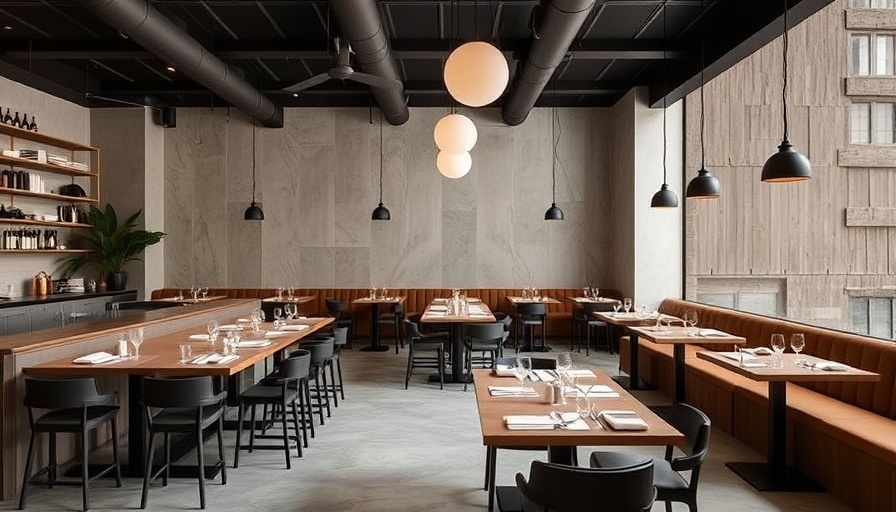
In the heart of Toronto, an Italian restaurant named Occhiolino has redefined casual dining through a lens of ‘modest minimalism.’ This design approach, masterfully executed by Guido Costantino Projects, emphasizes a connection with the building's original blue-collar essence while integrating modern aesthetics.

Transforming History with Intentional Innovation

Originally a mechanic’s shop, the space underwent a thoughtful transformation that maintained the industrial feel of the structure. The team at Guido Costantino Projects sought to preserve its story by integrating a new, restrained material palette that complements the building's background. “We loved that ‘making’ would remain in the story of the building — and wanted to honour the honesty of the structure and the history without being too deferential,” explained Guido Costantino, the studio’s founder.

A Harmonious Material Palette

In their design, Costantino Projects employed a repetitive use of pale wood and grey-brick to create a cohesive aesthetic that feels both natural and inviting. The bricks, which span from an arcaded wall that separates the old from the new, to bespoke pieces of furniture, act as a thread weaving through the entire restaurant. This not only grounds the space in its historical context but also elevates its modern dining experience.

Light: An Element of Design

Natural light plays a crucial role in Occhiolino’s atmosphere. The introduction of clerestory windows and angled skylights illuminates the intimate dining setting, infusing every corner with warmth. This thoughtful interplay of light and materials enhances the dining experience, reflecting a philosophy that prizes simplicity and elegance.

Functional Yet Inviting Spaces

The layout of Occhiolino provides flexibility and comfort, encouraging diners to linger. Minimalist seating and fixed stools are combined with eye-catching elements like spherical lights set into the design, creating an alluring contrast. The oak millwork behind the bar is not merely functional; it becomes a design statement echoing the restaurant's overall aesthetic.

Looking Ahead: Minimalism’s Allure

With a growing trend towards simplicity in interior design, Occhiolino stands out, not only for its innovative use of space and material but for the way it captures and enhances the essence of its surroundings. As homeowners seek not just beauty but also a sense of place in their designs, restaurants like Occhiolino present an inspiring blueprint for residential projects. Its dedication to modest materials and thoughtful design invites buyers to consider how simplicity can transform their own spaces.

Why Choose Modest Minimalism?

As we step into a new era of design, characterized by sustainability and personal expression, modest minimalism emerges as a powerful choice for many. It allows for functional spaces that remain stylish, aligning with the lifestyle of many modern homeowners. By focusing on quality over excess, potential buyers can incorporate elements from spaces like Occhiolino into their homes, creating enriched environments that reflect both their taste and values.

Let Us Help Design Your Dream Space

Carmel, Pebble Beach, and Monterey interiors are infused with the same passion for minimalist design seen at Occhiolino. Ready to embark on your own remodeling journey? Let Us Design, Plan & Build Your Next Home or Remodel by calling 831-521-7729.

Architectural Excellence

1 Views

Write A Comment

*
*
Related Posts All Posts
02.19.2026

Experience Remarkable Architecture with The Corner Store Project

Update Reviving History: The Transformation of The Corner Store The world of architecture is witnessing a renaissance of sorts, as modern designs intertwine with historical preservation, creating spaces that serve the present while respecting the past. The Corner Store by Ian Moore Architects exemplifies this dynamic evolution. Situated in the vibrant neighborhood of Surry Hills, Sydney, this residence is not merely a restoration; it is a thoughtful engagement with the city fabric, embodying both roots and innovation. A Journey Through Time Originally built in 1869 as the Moore Park Hotel and later evolving into a grocery shop, the Corner Store has seen the ebb and flow of urban life. Its architectural journey reflects the rich tapestry of community history, interaction, and transformation. Architects like Ian Moore are tasked with the intricate challenge of honoring the past as they create for the future. The Corner Store cleverly maintains the structure's historical identity while implementing modern design elements. Connecting Past and Present with Thoughtful Design Paramount in this project was the need to visually differentiate the new additions from the old. This was achieved through the innovative use of glass block walls, which enclose the garage and allow light to filter through without compromising privacy. In a city marked by its historical buildings, these contemporary elements serve as a gentle nod to the original structure, ensuring that both aspects can coexist beautifully. The Role of Adaptive Reuse in Urban Architecture Adaptive reuse is a growing trend in urban development—an approach seen in projects like the Mint in Sydney, which marries the preservation of heritage buildings with contemporary functionality. In both these projects, the key takeaway is that great architecture is a response to historical context, a sentiment echoed by many architects today. As we rethink urban spaces, the idea that housing is the city's fabric takes center stage, highlighting the importance of creating homes that contribute to the community's character. Flexibility and Sustainability: The Corner Store's Design Philosophy The design of the Corner Store goes beyond aesthetics. It emphasizes sustainability, employing strategies that allow for comfortable living without reliance on air conditioning. Features like sun-shaded windows and well-insulated roofs exemplify this commitment to eco-friendly design, ensuring the residence is as responsible as it is beautiful. The foresight demonstrated in this project speaks volumes about the potential for homes to integrate seamlessly with their surroundings while adapting to the changing needs of their occupants. Community and Connection: A Family Residence Moore's philosophy extends beyond the walls of the Corner Store. By creating spaces that promote interaction with the neighborhood through terraces and open volumes, the residence becomes a participant in the everyday life of Surry Hills. This engagement is vital as we rethink how architectural spaces can foster community, encouraging the idea that homes are more than just individual retreats—they are part of a larger ecological and cultural system. Looking Forward: The Future of Architectural Innovation As the architecture industry continues to evolve, lessons from the Corner Store and similar projects pave the way for innovative building practices. As architects embrace adaptive reuse and sustainable design, the potential for creating vibrant urban spaces increases significantly. This spirit of innovation not only respects history but also looks toward a future where architecture plays a pivotal role in community development. So, whether you're a homeowner in Surry Hills or an architecture enthusiast looking for inspiration, understanding these principles can empower you to make informed decisions about your next project. Every story told through architecture adds depth to our collective history—the Corner Store is a testament to this narrative. Let Us Design, Plan & Build Your Next Home or Remodel. Call 831-521-7729.

02.17.2026

Exploring Flame Tree House: A Stunning Blend of Architecture and Life

Update Embracing Change: The Heart of Flame Tree House Flame Tree House, affectionately dubbed “the little big house,” is a striking illustration of how architecture can craft a nurturing environment amid the chaos of life. Nestled in an Adelaide suburb, this residence epitomizes transformation, allowing a decades-old family home to evolve into a flourishing sanctuary that adapts to the next phase of its owners’ journey as empty nesters. The Allure of a Thoughtfully Designed Space For homeowners and prospective buyers enamored by architectural design, Flame Tree House offers a unique lesson in blending the past with modern elegance. This home, originally a quaint four-room cottage, has been reimagined to accommodate lively gatherings as well as intimate, everyday living. The clients, both passionate florists, made it a priority to create a space comfortable enough for their family, yet capable of entertaining up to 16 guests simultaneously. Architects Ink embraced the challenge by weaving together the original charm of the cottage with a coherent new vision. This careful balance fosters an inviting atmosphere, where sentimentality meets functionality — a perfect place for family memories to flourish. Materials That Dance with Light One of the architectural triumphs in Flame Tree House is its remarkable material palette. The exterior showcases handmade concrete blocks that harmonize with the structure’s aesthetic, while also serving a practical purpose. The blocks play a significant role in capturing and filtering natural light — creating an interior ambiance that changes throughout the day as the sun moves. Internally, the interaction of light and shadow evokes images of a sundial, sunlight streaming through thoughtfully placed windows. This design choice highlights the living areas’ features while nurturing an atmosphere designed for relaxation and entertainment alike. The Heart of the Home: The Illawarra Flame Tree At the property's core is the magnificent Illawarra flame tree that serves both aesthetic and functional purposes. Not only does it provide visual delight with its vibrant blossoms, but it also offers essential shade within the homescape. The commitment to preserving this natural beauty demonstrates the thoughtfulness behind the planning, as it becomes a living focal point against the warm concrete and timber finishes throughout. A Seamless Flow Between Indoor and Outdoor Spaces Another compelling architectural strategy seen in Flame Tree House is the seamless integration of indoor and outdoor areas. The expansive double-height living spaces invite the outside in, enabling a dynamic connection with nature. Huge glass doors open onto the garden, creating a harmonious transition between spaces. When filled with friends and family, this fluid design accentuates the values of connection and togetherness. In the words of the homeowners: “Our new home brings us a deep sense of peace in the heart of the city. It is a place of calm, perfectly aligned with our lifestyle.” This sentiment is echoed throughout the spaces, reinforcing how successful architectural design nurtures not only function but also individual needs. Why Architectural Design Matters As architects and designers, we have the incredible opportunity to shape environments that cater to the deep emotional and social aspects of living. Flame Tree House serves as an emblem of how spaces can reflect our lives and create connections that last. For homeowners and buyers looking for unique designs, sites like Carmel Architects and Monterey Architectural Design can offer inspiration and guidance in crafting spaces that truly resonate. In conclusion, Flame Tree House represents more than just a dwelling; it symbolizes the careful consideration of community, family, and sustainability in architectural design. It’s an invitation to dream, plan, and ultimately build spaces that will cradle our stories for years to come. Let Us Design, Plan & Build Your Next Home or Remodel! Call 831-521-7729!

02.14.2026

Explore the Timeless Charm of Sydney School Architecture

Update Rediscovering the Sydney School: A Movement Rooted in Nature The Sydney School of architecture has long been celebrated for its deep connection to the natural landscape. Today, as home buyers and design enthusiasts seek inspiration from the past, these homes serve as living examples of harmonious living with the environment. Each house tells its story, reflecting a unique interpretation of modernism that integrates not just aesthetics but also respect for the surrounding nature. The Organic Modernism of Reid House One of the standout examples of the Sydney School is Reid House by Bruce Rickard. Completed in 1961, the house is a magnificent embodiment of organic modernism, drawing inspiration from both Frank Lloyd Wright and Alfred Hitchcock's cinematic vision. The house’s architecture is defined by rusticated stonework, rich timber finishes, and clerestory windows that draw natural light while maintaining a perfect dialogue with its bushland setting. Homeowners who appreciate such structural honesty and landscape integration will find Reid House a vivid illustration of this architectural philosophy. Emphasizing Harmony: Lobster Bay House Designed for photojournalist David Moore in 1972, Lobster Bay House presents a thoughtful design that seemingly grows from the rock and trees of Pretty Beach. Architect Ian McKay conceptualized the home as an ‘insect sitting upon a rock’—a masterful response to the surrounding environment. Placed tactfully atop a dramatic outcrop, the design ensures that the house exists in balance with nature. For families seeking tranquility, Lobster Bay House offers insights into creating harmonious living spaces that merge gently with the landscape. A New Standard of Living: The Glass House Another striking creation from the Sydney School is The Glass House, designed by Bill and Ruth Lucas in 1957. This family residence challenges traditional living with its fully glazed structure, allowing for unparalleled connections to the surrounding bush. The house illustrates how transparency in design invites the outdoors in, fostering a lifestyle that celebrates nature—a perfect inspiration for homeowners looking to embrace minimalist design paired with environmental consciousness. Community and Connection: Wybalena Grove In contrast to individual residences, Wybalena Grove offers a glimpse into cooperative living with its semi-detached townhouses, designed by Michael Dysart and Partners in the 1970s. The development prioritizes affordability and community, demonstrating how careful spatial design can enhance both privacy and social interaction. For anyone considering communal living, Wybalena Grove serves as a progressive model in addressing contemporary housing challenges. A Testament to Lasting Beauty: R. N. Johnson House The R. N. Johnson House, crafted by Peter Johnson in 1963, combines unpretentious elegance with functional design. Its layout allows rooms to enjoy varied vistas, fostering a sense of disconnection from urban chaos. The robust use of materials like brick and timber pays homage to the Sydney School's roots, offering homeowners a timeless example of beauty that blends seamlessly with nature. Why Sydney School Homes Matter Today As we look to buy or design our own homes, the principles embodied in the Sydney School offer invaluable lessons. They not only prioritize the landscape's integrity but also excellence in craftsmanship and a strong sense of community. These characteristics speak to a growing desire for sustainability, emotional connection, and soulfulness in architecture—elements that modern homeowners seek in a new home. Let these stories inspire your next architectural journey. Whether you're building your dream home or remodeling, embracing the ethos of the Sydney School could lead to a profound relationship with your living space and the world around you. Let Us Design, Plan & Build Your Next Home or Remodel. Call 831-521-7729.

Terms of Service

Privacy Policy

Core Modal Title

Sorry, no results found

You Might Find These Articles Interesting

T
Please Check Your Email
We Will Be Following Up Shortly
*
*
*